12/09/26 02:21
Here's a magic trick for you. This photo of a spinning fan was taken with an exposure time of 5 seconds:
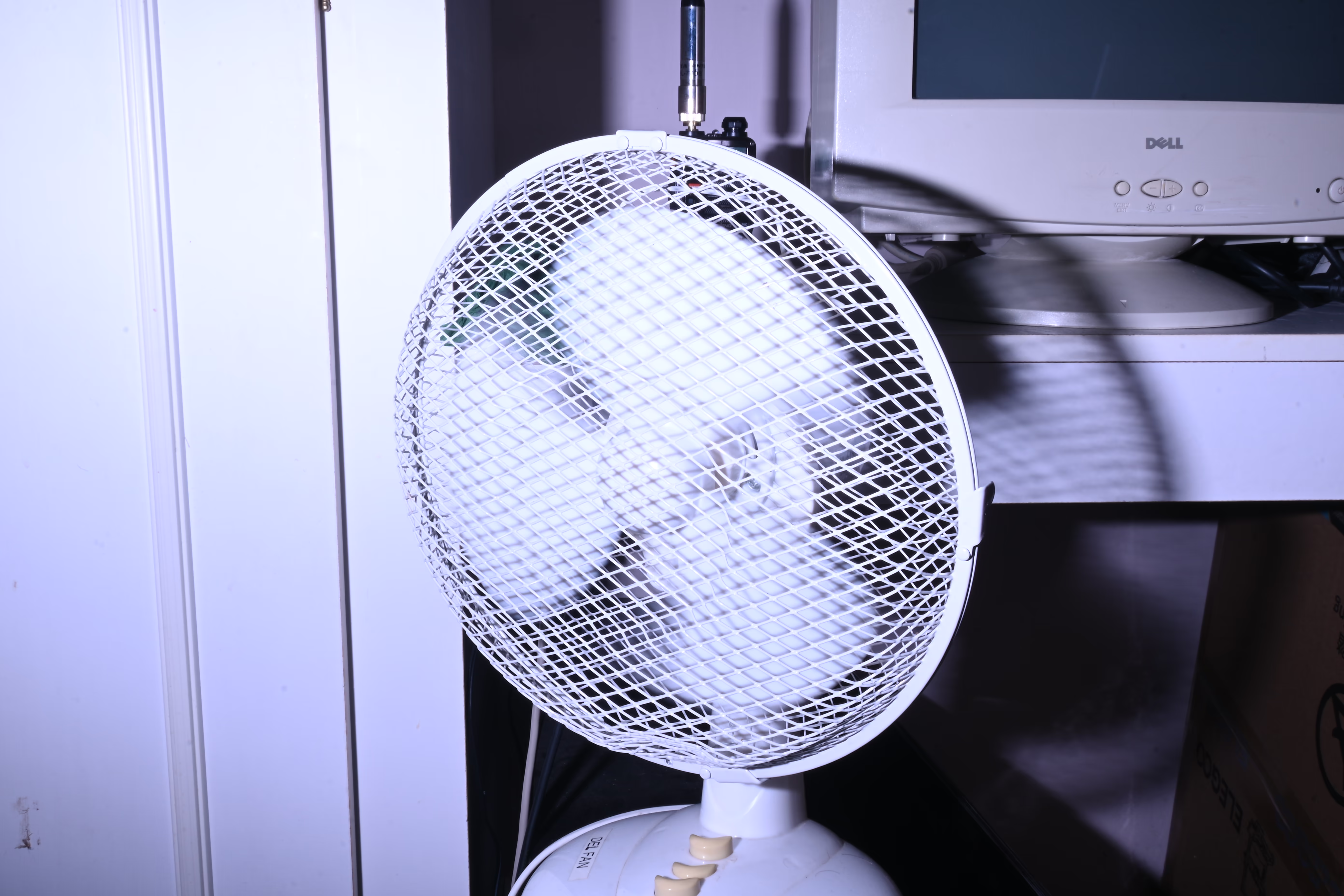
Note that the fan blades are not that blurry - you can still see each individual blade, even though they spun dozens of times over those five seconds. This was done with a technique called stroboscopic photography. If you're shooting in a dark environment, it doesn't really matter how long the camera's exposure time is - only the duration of the flash, or strobe.
In my case, I have a flash unit with a test button that allows firing it manually while not attached to the camera. I just turned the lights off, pressed the shutter button, manually fired the flash, and waited for the shot to end.
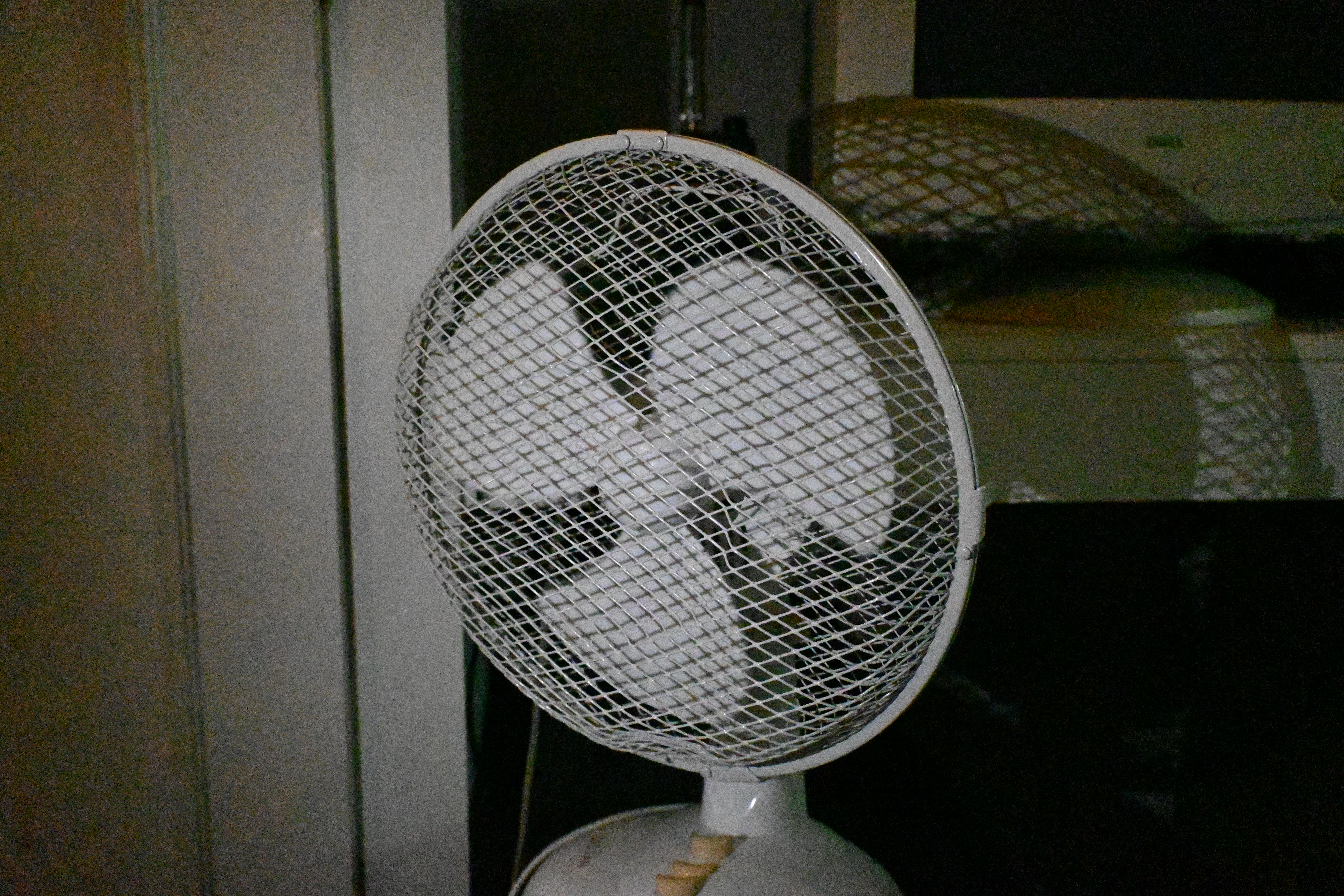
Unfortunately, the power on this cheap flash unit can't be adjusted - it fires at full power every time. This means the flash duration is fairly long - I'd estimate 1/300 - 1/500 of a second. My camera's fasest shutter speed is 1/4000, which looks like this:
Or, with a brighter light to reduce the ISO:
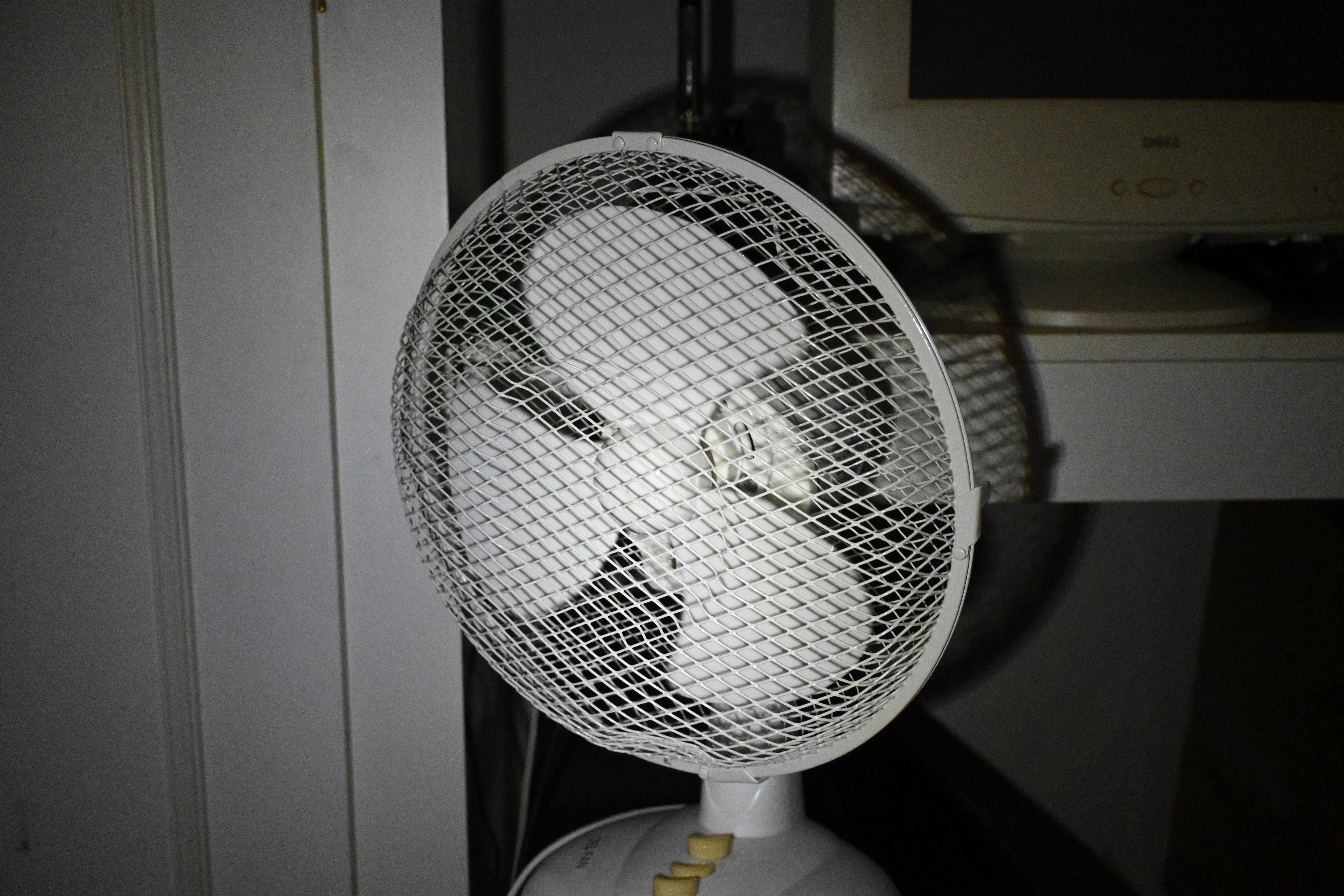
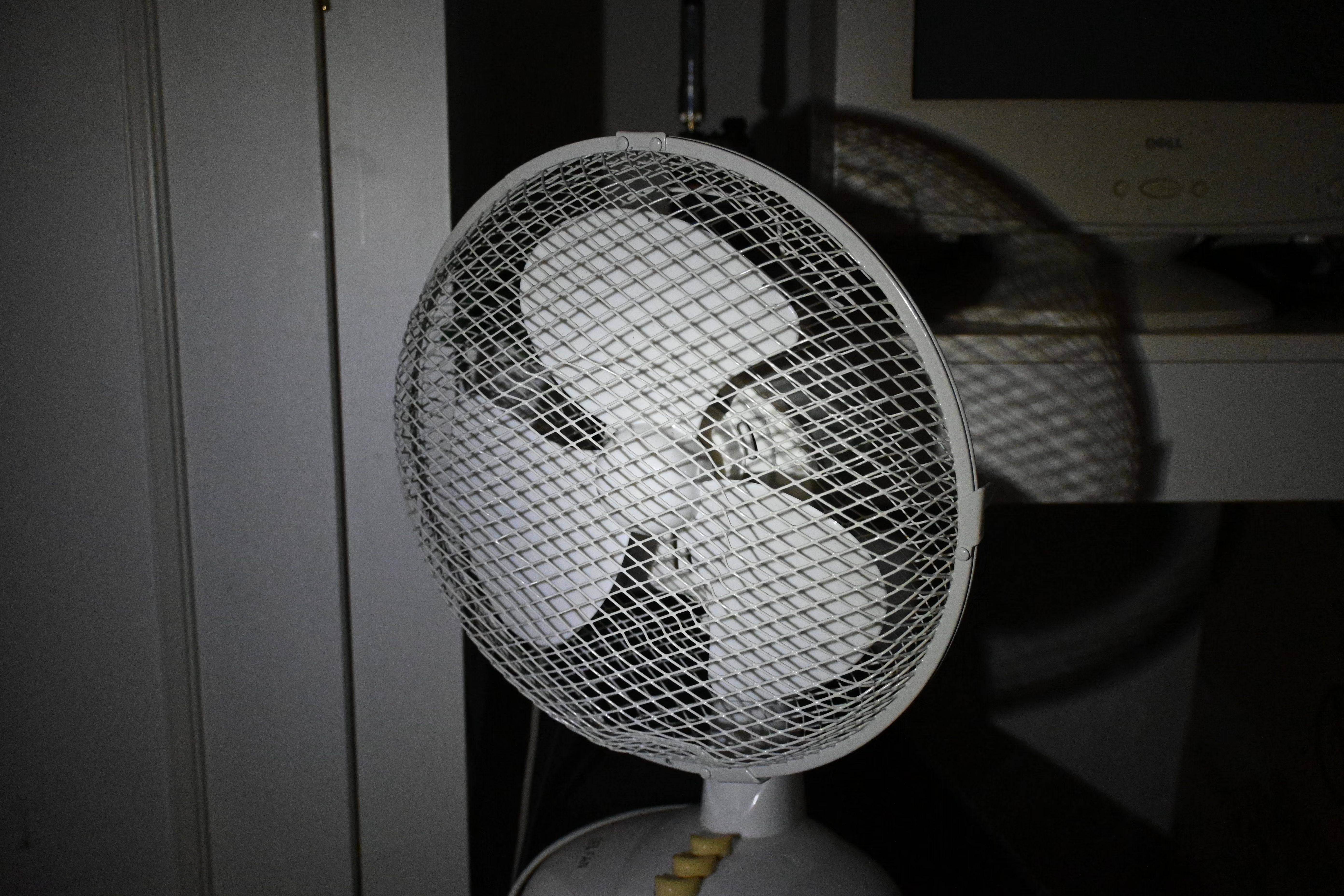
Even at 1/4000, there's still some motion blur on the fan blades. Here's a shot with the fan off and the blades not moving for comparison:
Better flashes with adjustable power can having durations as short as 1/10,000 of a second, so it's possible to freeze faster motion with this technique. Specialised strobe lights can go even faster - this is how Doc Edgerton was able to capture photos of bullets in flight, long before consumer cameras got fast shutter speeds. For fast singular events, this requires triggering the strobe electronically - usually with a microphone that picks up a bang, or an optical sensor that detects something moving. For rotating objects, the strobe can be fired anytime. In fact, stroboscopes usually fire continuous pulses, to observe motion over time. It even lets you see the frozen motion with the naked eye.
Nowadays, even an iPhone's electronic shutter can do 1/8000 of a second. If you want to try high-speed photography at home, the easier method is just to crank up the shutter speed as fast it can go. If you're using a camera with no manual control, just shine a lot of very bright light on the subject to get it to decrease the exposure time for you. If you're using a phone, there's likely a third-party camera app that will grant you manual control.
If you found this interesting, you might like Veritasium's video that covers stroboscopic photography.